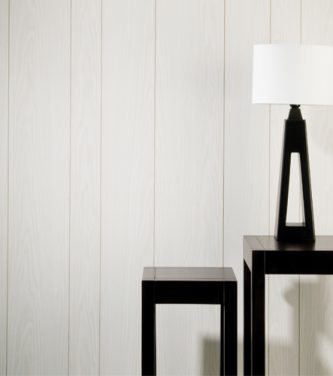
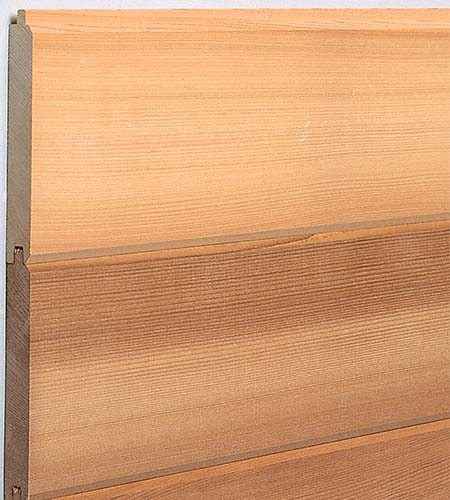
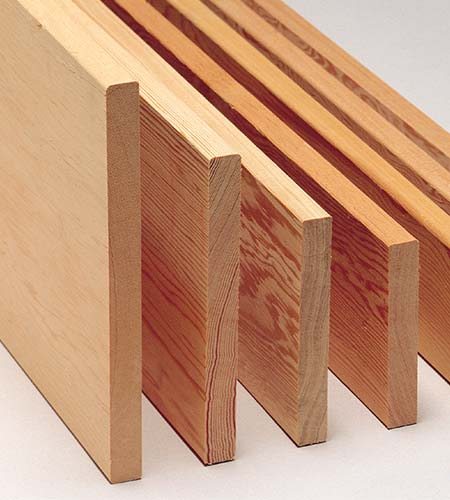
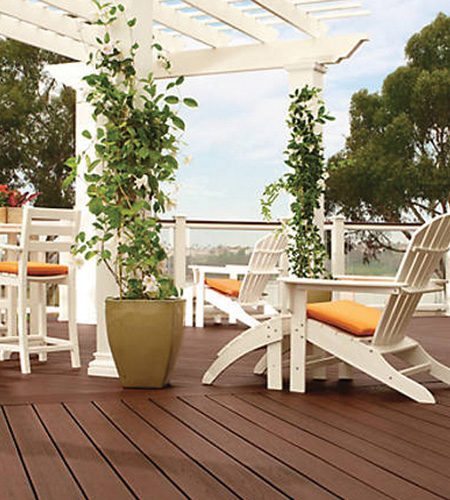
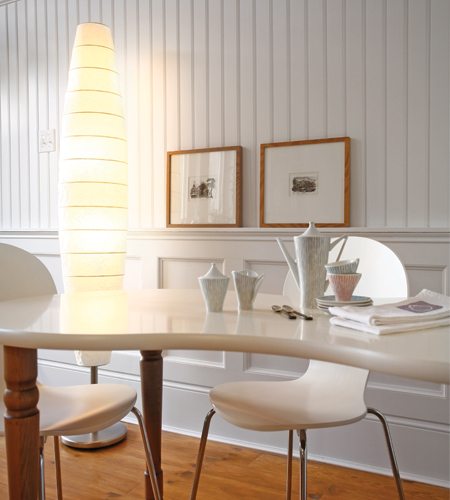
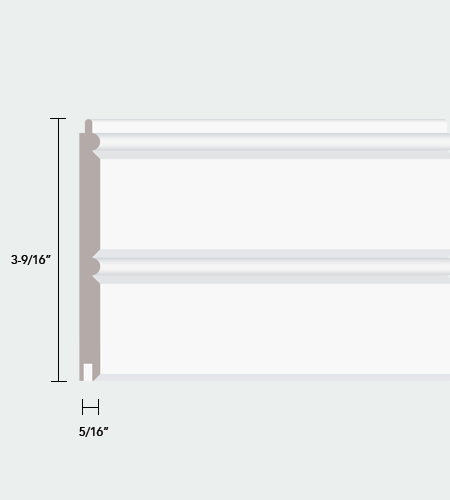
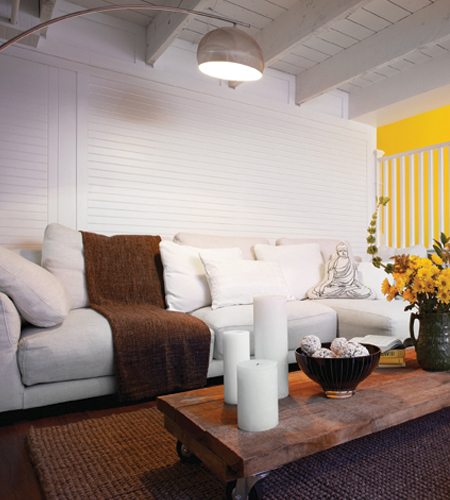
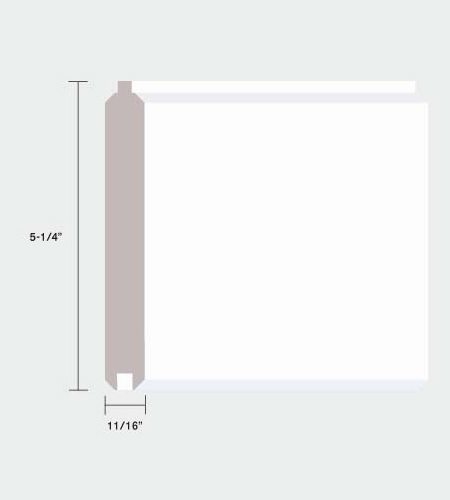
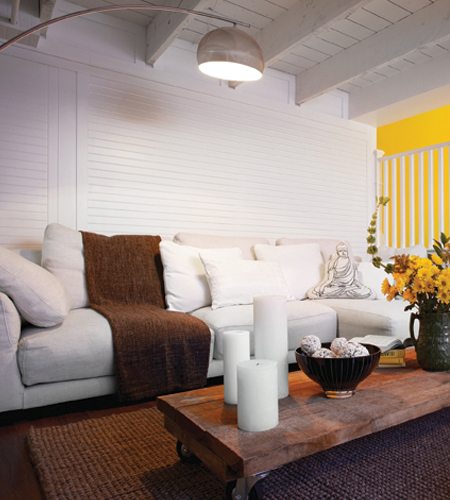
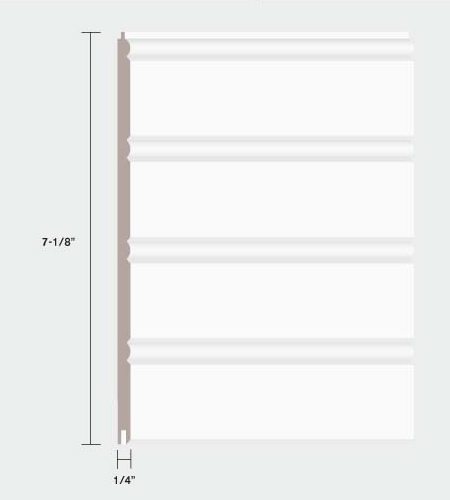
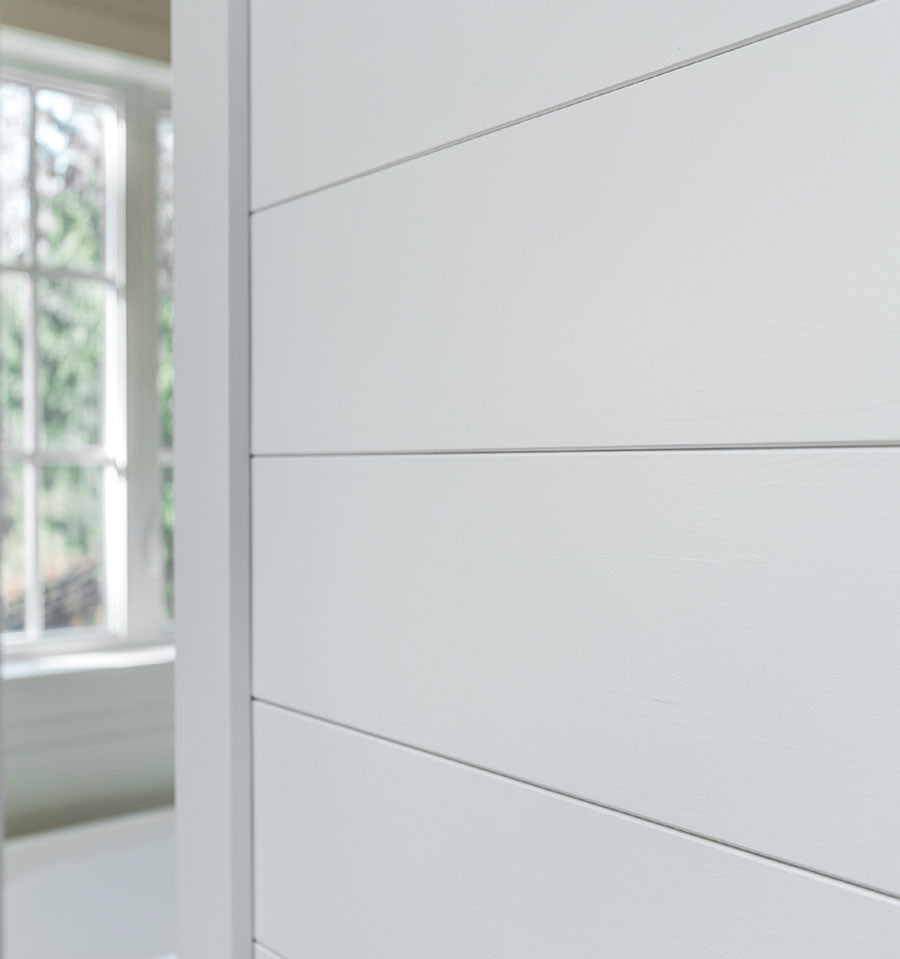
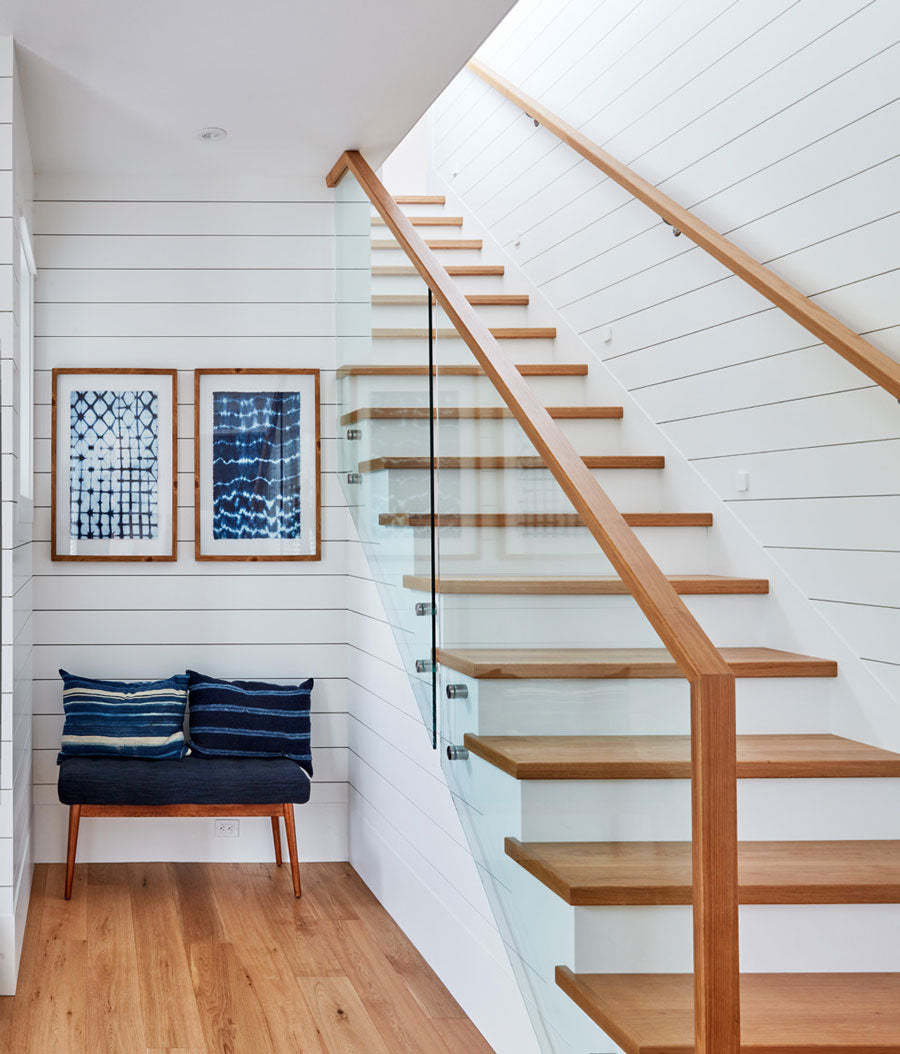
Tongue and Groove and V-Joint Solid Wood Panelling brings natural warmth and architectural character to walls, ceilings, and feature panels. Available in two profiles -- standard Tongue and Groove for a flush, seamless surface, and V-Joint for a defined shadow line between each plank -- and in two grades, Select and Cottage, to suit both refined interiors and rustic applications. Plank widths of 4" and 6" are available in multiple species. Suitable for feature walls, wainscoting, coffered ceilings, closet linings, and covered outdoor spaces.
| Profile | Tongue and Groove (T&G) | V-Joint |
|---|---|---|
| Appearance | Flush surface -- planks sit tight with a minimal joint line | Defined V-shaped shadow line at each joint -- creates a more pronounced plank look |
| Best For | Clean, contemporary walls and ceilings where a smooth, continuous surface is preferred | Rustic, traditional, or cabin-style interiors where the individual plank is meant to be visible |
| Common Applications | Feature walls, ceilings, wainscoting, closet linings | Accent walls, cottage interiors, covered patios, shed and cabin linings |
| Grade Options | Select or Cottage | Select or Cottage |
| Profiles Available | Tongue and Groove (T&G) and V-Joint |
|---|---|
| Plank Widths | 4" and 6" |
| Thickness | Varies by species -- confirm with your local Windsor Plywood location |
| Species | Multiple species available -- confirm current stock with your local branch |
| Grades | Select (clean, minimal knots) and Cottage (natural character, visible knots) |
| Installation | Tongue and Groove or V-Joint click system -- blind nail or clip installation |
| Applications | Interior walls, ceilings, wainscoting, closet linings, covered outdoor spaces |
| Availability | In-store -- species, profiles, and grades vary by location. Some options may be special order. |
Tongue and Groove and V-Joint panelling is used for feature walls, accent ceilings, wainscoting installations, closet and wardrobe linings, covered patio and deck ceilings, cabin and cottage interiors, and architectural details such as coffered ceiling panels. The Cottage grade works particularly well in rustic and heritage-style spaces where natural knots and character marks are part of the design intent.
For a primed, paint-ready alternative in the same V-Joint profile, see Modern V-Joint Primed Woodtone. For a horizontal shiplap alternative, Woodtone Finger Joint Primed Shiplap is available. For wainscoting applications, WK003 Beaded Wainscot Knotty Pine and WK002 V-Grooved Wainscot Rustic Cedar offer ready-to-install wainscot panel systems.
What is the difference between Tongue and Groove and V-Joint?
Both profiles use the same interlocking joint system. The difference is in how the joint looks on the finished surface. Tongue and Groove planks sit flush, producing a smooth continuous surface with a minimal joint line. V-Joint planks have a chamfered edge that creates a visible V-shaped shadow line at each joint, emphasising the individual plank. Choose T&G for a cleaner, more contemporary look and V-Joint where the plank pattern is meant to be the feature.
What is the difference between Select and Cottage grade?
Select grade has minimal knots and tight, consistent grain -- suited for painted or stained applications where a clean, uniform appearance is the goal. Cottage grade includes natural knots, character marks, and more colour variation -- suited for rustic, heritage, and cabin-style applications where natural wood character is the design intent. Both grades are structural and suitable for wall and ceiling installation.
Can this panelling be used on ceilings?
Yes. Tongue and Groove panelling is widely used on ceilings, including coffered ceiling panels, porch ceilings, and feature ceiling installations in living areas and bedrooms. Use blind nailing through the tongue where possible and ensure the framing is at appropriate spacing for the plank thickness being installed.
Is solid wood panelling suitable for bathrooms?
Solid wood panelling can be used in bathrooms with adequate ventilation, but it requires thorough finishing on all four sides and edges before installation to slow moisture absorption. In high-humidity bathrooms without ventilation, a primed MDF or PVC panel product is a more practical choice. For covered outdoor applications, confirm the species suitability with your local Windsor Plywood location.
How do I calculate how much panelling I need?
Measure the total square footage of the area to be covered, then add 10 to 15% for waste and cuts. For diagonal or herringbone installations, add 20%. Ask your local Windsor Plywood branch for help calculating your order based on the plank width and coverage per linear foot of the specific product you select.